A form of dysautonomia characterized by an excessive heart rate increase of 30+ bpm (or exceeding 120 bpm) within 10 minutes of standing upright, in the absence of orthostatic hypotension.
A form of dysautonomia characterized by an excessive heart rate increase of 30+ bpm (or exceeding 120 bpm) within 10 minutes of standing upright, in the absence of orthostatic hypotension.
Clinical Context: Formal tilt table testing or active stand testing is necessary for definitive medical diagnosis. Fluid, salt, and medication plans must be supervised by medical providers.
Diagnostic Consideration: Must be differentiated from pheochromocytoma, dehydration, adrenal insufficiency, and standard orthostatic hypotension.
Supports proper cerebrospinal fluid dynamics and reduces physical strain around the vagal and glossopharyngeal nerves at the jugular foramen.
The cranio-cervical junction (where the skull meets the Atlas and Axis vertebrae) is the primary structural crossroads of the central nervous system. When misalignment occurs here, it can create mechanical traction on the brainstem, impede venous drainage, and disturb autonomic balance. Hope Southlake uses calculated 3D digital imaging to gently reposition these vertebrae without any twisting, popping, or cracking.
You sit down and your heart rate is 65 bpm. You stand up to walk to the kitchen, and within two minutes your watch shows 110, 120, or 130 bpm. Your chest pounds, and your head feels light.
Read Symptom Guide →Related SymptomWhenever you rise from a chair, bed, or the floor, your vision dims, your ears ring, and a wave of lightheadedness washes over you, forcing you to freeze or sit right back down.
Read Symptom Guide →Related SymptomYou feel caught in an exhausting trifecta: your heart races over small tasks, your brain feels trapped in thick fog, and you feel profoundly exhausted despite sleeping.
Read Symptom Guide →Related SymptomYou used to enjoy working out, but now even light walking or basic household chores causes your heart to spike, leaves you dizzy, and triggers a multi-day physical crash.
Read Symptom Guide →
After suffering from multiple concussions, a serious back injury, and finding no answers in the traditional medical system, Dr. Kramer discovered upper cervical care. This personal journey fueled his passion for bringing precise, individualized care to the Southlake community.
"We understand how discouraging it is to keep searching for answers and still not feel like yourself. You deserve clarity and a precise path forward."
Advanced testing and examination help determine if upper cervical care is right for you.
Start restoring nervous system function and getting your life back.
What does life look like when your nervous system is finally in balance and your symptoms no longer control your calendar?
Wake up without debilitating head pressure or dizziness
Keep commitments to work, family, and social plans
Achieve deep, restorative sleep that recharges your energy
Reduce dependency on endless prescription rescue medications
Don't just take our word for it.
"Dr Kramer was my answer to constant, severe headaches which were caused by my neck. He identified the issue, and got things working properly again. The relief has been incredible. I'm so grateful."
- Stephanie Kabat
"I came in to this office very afraid for my future, because the symptoms I was having were debilitating. After completing my recommended course of initial treatment, I am excited about the future again. Dr Kramer is incredibly knowledgeable."
- Jessica Gilbert
"Dr. Kramer is wonderful. Takes time to listen to your story and comes up with a treatment plan just for you. Patient specialized care that is evidence based. His treatment has helped me tremendously with symptoms others could not change or even bothered to address. Highly recommend his skilled approach."
- Elizabeth Rose
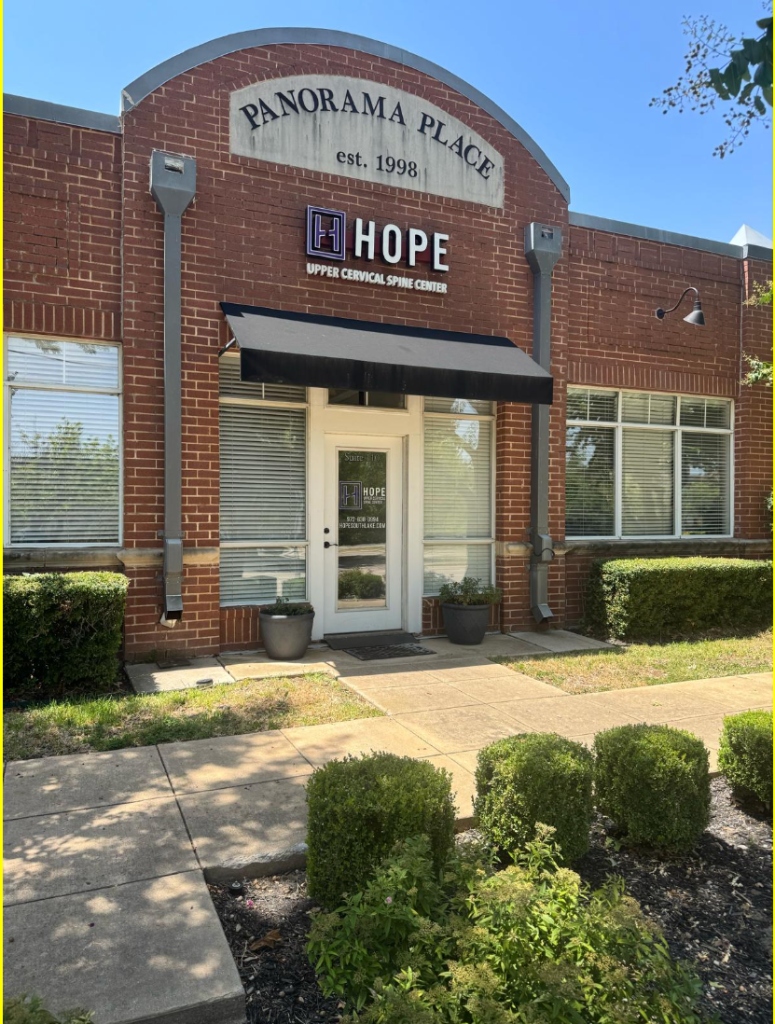
Hope Upper Cervical Spine Center
500 N Carroll Ave Suite 110
Southlake, TX 76092
Phone: (972) 638-0994
No. Upper cervical care is an adjunctive biomechanical support, not a replacement for your medical treatment or prescriptions.
Take the first step toward lasting relief and neurological stability. Schedule your consultation with Hope Southlake today.